
"per cent"
2000 article(s) found

Characteristic species of sun-dried coffee beans in Humbera Manor, Ethiopia
The characteristic types of sun-dried coffee beans in Humbera Manor in Ethiopia are in Ethiopia. The grading and quality control system of coffee is divided into three levels: producer, regional and national. All coffee is inspected by local inspection agencies before leaving the country of origin, and then re-tested at the coffee inspection and grading centers in Addis and Diredawa to determine its quality grade. Coffee is auctioned and sold.
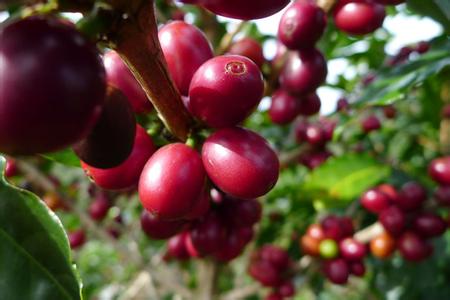
The amount of tea imported from the United States exceeds that of the United Kingdom for the first time, and coffee consumption is relatively reduced.
According to Cameroon's tax law, everyone's known and traceable income is subject to income tax. The 23rd session of the National Council of Cocoa and Coffee (National Cocoa and Coffee Board, referred to as CICC) held in Yaound é on March 12 revealed that the government intends to impose income tax on cocoa and coffee producers. It is reported that the above tax plan has been in place since 2013.

Ethiopian Coffee Flavor Taste Manor introduces Ethiopian Coffee Brands
In Ethiopia, the grading and quality control system of coffee is divided into three levels: producer, regional and national. All coffee is inspected by local inspection agencies before leaving the country of origin, and then re-tested at the coffee inspection and grading centers in Addis and Diredawa to determine its quality grade. Coffee is graded before auction and sale, for all involved in production, acquisition,

Indonesia's coffee production fell 30% this year, coffee demand increased by 10% annually
Professional coffee knowledge exchange More coffee bean information Please pay attention to coffee workshop (Weixin Official Accounts cafe_style) By the third quarter of this year, Indonesia's national coffee production has decreased by an average of 25% to 30%. The sharp drop in coffee production was due to unstable weather and infestation of coffee production centres, with coffee plantations in the eastern part of the country being the most affected. Indonesian coffee exports

Ethiopian boutique coffee Ethiopia boutique coffee flavor Ethiopian boutique coffee
Coffee is Ethiopia's most important export cash crop and the main source of Ethiopia's foreign exchange earnings. Ethiopia's coffee exports account for about 3% of the world market, making it the eighth largest coffee exporter in the world. Coffee exports increased steadily from 58000 tons in 1990-91 to 110000 tons in 1995-96 and remained at this level in the following years. 2001-2002

Ethiopian Coffee Flavor description Grinding degree Taste characteristics introduction of fine coffee beans
Washed coffee accounts for 35% of exports. Good quality washed coffee is processed with freshly picked fully ripe fruit, picked carefully and closely monitored by professionals. The picked clean coffee beans are pulped on the day of picking, then fermented, washed, dried and peeled. The humidity of processed coffee beans is kept at about 12%. Sun-cured coffee accounts for 65% of exports. Mainly by

Introduction to the grinding scale of Ethiopia Esopia Lion King coffee bean flavor description method
Ethiopia Esopia Lion King Coffee Bean Flavor description method Grinding scale introduces washed coffee accounts for 35% of exports. Good quality washed coffee is processed with freshly picked fully ripe fruit, picked carefully and closely monitored by professionals. The picked clean coffee beans are pulped on the day of picking, then fermented, washed, dried and peeled. After processing

Ethiopian fine coffee with intense nutty aromas Taste Introduction
Coffee is Ethiopia's most important export cash crop and the main source of foreign exchange earnings. Ethiopia's coffee exports account for about 3% of the world market share, making it the eighth largest coffee exporter in the world. Coffee exports increased steadily from 58,000 tons in 1990-1991 to 110,000 tons in 1995 - 1996 and remained at that level for the next few years. 2001 - 2002

Aromatic, intense Kenyan coffee flavor Description Variety Origin Fine coffee beans Taste Grind
Kenya has a total population of 41.8 million (2013) and a population growth rate of 2.7%. There are 42 ethnic groups in the country, mainly Kikuyu (17 per cent), Luhia (14 per cent), Kalenjin (13 per cent), Luo (10 per cent) and Kamba (10 per cent). In addition, there are a small number of Indians, Arabs and Europeans. Kenya's mineral deposits mainly include soda ash, salt, fluorite, limestone,

Ethiopian Limu Coffee introduces the Manor of Coffee producing area
Coffee is Ethiopia's most important export cash crop and the main source of Ethiopia's foreign exchange earnings. Ethiopia's coffee exports account for about 3% of the world market, making it the eighth largest coffee exporter in the world. Coffee exports increased steadily from 58000 tons in 1990 to 110000 tons in 1995-1996 and remained at this level in the following years. 2001-2002

Coffee from Ethiopia, the birthplace of coffee, introduces how Ethiopian coffee powder
Ethiopia is one of the major producers of Arabica coffee in Africa, producing the best Arabian coffee in the world. It is said that coffee was first discovered by shepherds in Essekafa, and the name of coffee evolved from Kafa, so Essex is still the hometown of coffee. The geographical environment of coffee production and processing is very suitable for coffee growth. Coffee is mainly cultivated.

Causes of coffee desolation in southeastern Ethiopia
Coffee is barren in southeastern Ethiopia because coffee is Ethiopia's most important export cash crop and the main source of Ethiopia's foreign exchange earnings. Ethiopia's coffee exports account for about 3% of the world market, making it the eighth largest coffee exporter in the world. Coffee exports increased steadily from 58000 tons in 1990 to 110000 tons in 1995-1996.

Ethiopian Banci Maggie Coffee Flavor Description Grindness Taste Characteristics Variety
1. Limu coffee grows between 1400 meters and 2000 meters above sea level. washed coffee. Excellent quality, with intense nutty aromas, moderate acidity and wine intensity. Annual production of 29,000 tons. Gima coffee grows between 1400 and 1800 meters above sea level. Sunburn coffee. Slightly sour, nutty and long finish. Annual production of 70,000 tons. 3. Gambi Coffee

West Damomo Lion King Coffee Bean Flavor Description Processing Variety Characteristics Introduction to the region
Before 1974, the production, processing and trade of coffee were in private hands. Private farms were nationalized and smallholder coffee producers neglected during the military regime. In 1991, the Transitional Government of Ethiopia enacted a new economic policy to encourage private coffee exports. result,

Causes of coffee desolation in southeastern Ethiopia
The reason for the desolation of coffee in southeastern Ethiopia is Ethiopia. The grading and quality control system of coffee is divided into three levels: producer, regional and national. All coffee is inspected by local inspection agencies before leaving the country of origin, and then re-tested at the coffee inspection and grading centers in Addis and Diredawa to determine its quality grade. Coffee is divided before auction and sale
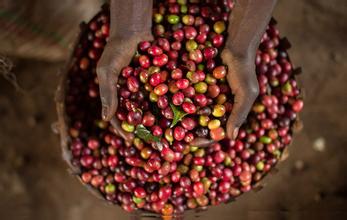
Boutique coffee beans Ethiopian coffee the latest coffee introduction unique flavor
Coffee is Ethiopia's most important export cash crop and the main source of Ethiopia's foreign exchange earnings. Ethiopia's coffee exports account for about 3% of the world market, making it the eighth largest coffee exporter in the world. Coffee exports increased steadily from 58000 tons in 1990 to 110000 tons in 1995-1996 and remained at this level in the following years. 2001-2002

The growing environment of coffee trees in Ethiopia introduces Ted Manor
Coffee is Ethiopia's most important export cash crop and the main source of Ethiopia's foreign exchange earnings. Ethiopia's coffee exports account for about 3% of the world market, making it the eighth largest coffee exporter in the world. Coffee exports increased steadily from 58000 tons in 1990 to 110000 tons in 1995-1996 and remained at this level in the following years. 2001-2002

Ethiopian coffee bean producing area of Ethiopian coffee bean flavor manor
Coffee is Ethiopia's most important export cash crop and the main source of Ethiopia's foreign exchange earnings. Ethiopia's coffee exports account for about 3% of the world market, making it the eighth largest coffee exporter in the world. Coffee exports increased steadily from 58000 tons in 1990 to 110000 tons in 1995-1996 and remained at this level in the following years. 2001-2002

Introduction to the flavor and taste of Ethiopian boutique coffee beans
Coffee is Ethiopia's most important export cash crop and the main source of Ethiopia's foreign exchange earnings. Ethiopia's coffee exports account for about 3% of the world market, making it the eighth largest coffee exporter in the world. Coffee exports increased steadily from 58000 tons in 1990 to 110000 tons in 1995-1996 and remained at this level in the following years. 2001-2002